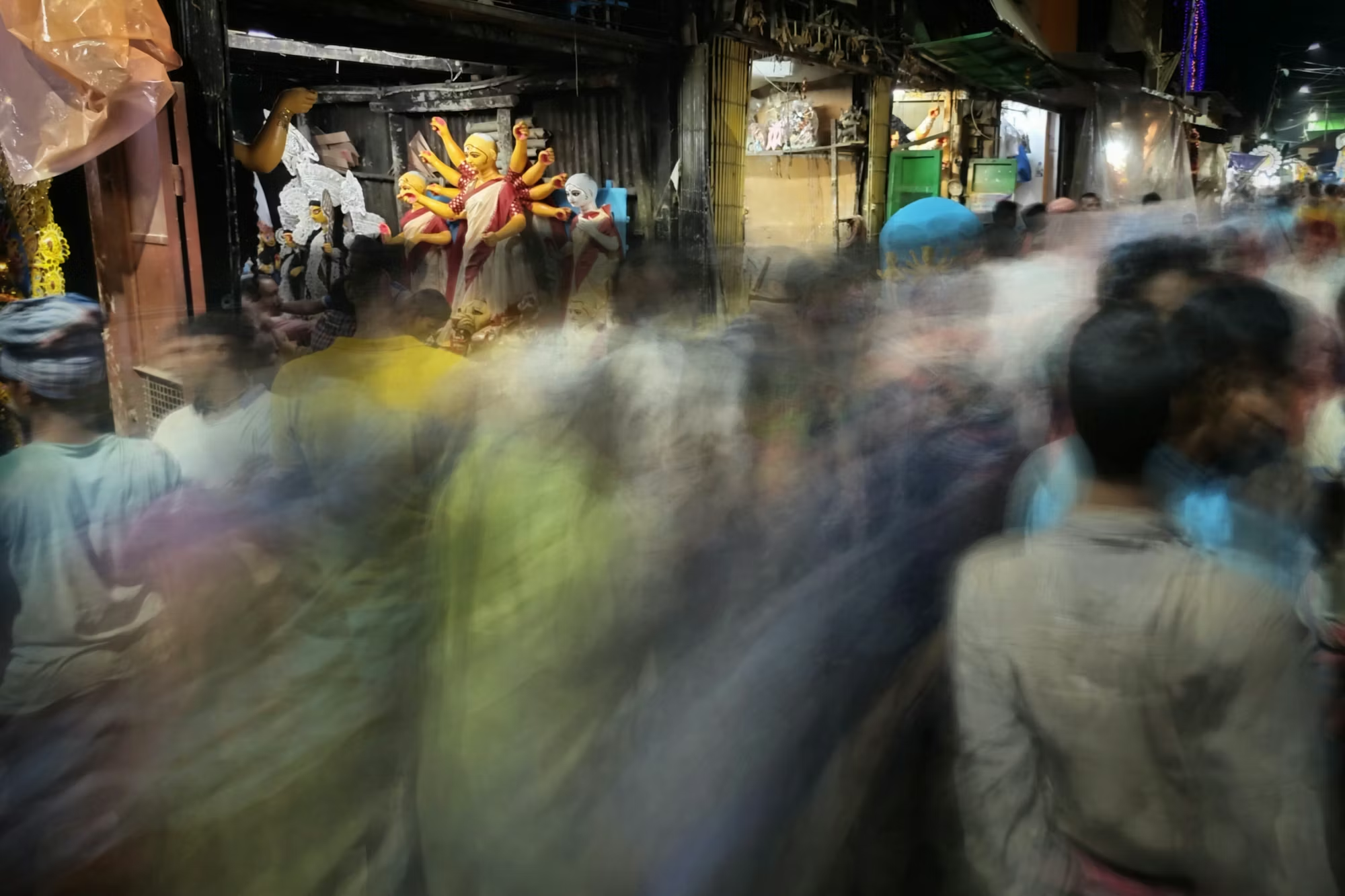
Food festivals are delightful celebrations that showcase the diverse culinary traditions of cultures around the world. These events not only offer attendees the opportunity to taste a variety of delicious dishes but also foster community spirit, promote local artisans, and celebrate cultural heritage. From street fairs to grand gastronomic gatherings, food festivals have become an integral part of the social calendar in many regions, offering something for everyone. This article delves into the significance of food festivals, examining some of the most notable events and the experiences they provide.
One of the most famous food festivals in the world is the Taste of Chicago, held annually in the Windy City. This festival showcases the diverse culinary landscape of Chicago, bringing together local restaurants, chefs, and food enthusiasts. With thousands of attendees flocking to Grant Park, the festival features a wide array of dishes, from deep-dish pizza to gourmet ethnic cuisine. Cooking demonstrations, live music, and interactive experiences enhance the atmosphere, making it a celebration of both food and culture. The Taste of Chicago not only highlights the city’s rich culinary heritage but also promotes local businesses, fostering a sense of community and pride among residents.
Across the globe, the world-famous Oktoberfest in Munich, Germany, is another iconic food festival that celebrates Bavarian culture. Known primarily for its beer, Oktoberfest also features a remarkable array of traditional German foods, including pretzels, sausages, and regional specialties. This festival attracts millions of visitors each year, transforming the city into a lively hub of food, drink, and festivities. Attendees can enjoy traditional music, folk dances, and amusement rides, creating a vibrant atmosphere that celebrates camaraderie and cultural traditions. Oktoberfest exemplifies the way food can bring people together, as friends and families gather to enjoy the flavors of Bavaria in a festive setting.
In the realm of seafood, the New Orleans Jazz & Heritage Festival celebrates the rich culinary and musical heritage of Louisiana. This festival features a wide variety of local dishes, including jambalaya, gumbo, and crawfish étouffée, all served up alongside incredible performances by local and international musicians. The festival not only highlights the flavors of New Orleans but also emphasizes the cultural significance of the region’s culinary traditions. Attendees can explore various culinary demonstrations, workshops, and tastings, deepening their appreciation for the local cuisine while enjoying the vibrant atmosphere of live music.
The La Tomatina festival in Buñol, Spain, offers a unique culinary experience that blends food with fun. Known as the world’s largest food fight, this festival involves participants throwing ripe tomatoes at each other in a joyful display of celebration. While it may not be a traditional food festival focused on tasting, La Tomatina embodies the spirit of community and revelry surrounding food. The event attracts thousands of visitors from around the world, creating a lively and chaotic atmosphere. Beyond the tomato-throwing, the festival showcases local culture through music, dance, and traditional Spanish cuisine, highlighting the importance of food in social gatherings.
In Italy, the Sagra del Tartufo (Truffle Festival) in the town of Alba is a celebration of one of the country’s most prized culinary treasures: the truffle. This festival attracts food lovers and truffle enthusiasts who come to savor the exquisite flavors of truffle-infused dishes. The event features tastings, cooking demonstrations, and guided truffle hunts, allowing attendees to engage with local chefs and producers. The Sagra del Tartufo not only celebrates the unique culinary heritage of the region but also supports local farmers and artisans, promoting sustainable practices and preserving traditional methods of truffle harvesting.
In Asia, the street food festivals in Thailand, particularly the Chiang Mai Street Food Festival, offer a vibrant celebration of the country’s rich culinary landscape. This festival showcases the diverse flavors and dishes that define Thai cuisine, from spicy curries to sweet desserts. Local vendors set up stalls offering tastings, cooking demonstrations, and interactive experiences, allowing attendees to immerse themselves in the culinary culture. The festival emphasizes the importance of street food as a cultural touchstone, fostering a sense of community and pride among local chefs and food lovers.
The Melbourne Food and Wine Festival in Australia is another remarkable event that celebrates culinary excellence and innovation. This festival features a wide array of experiences, from exclusive wine tastings to hands-on cooking classes led by renowned chefs. With a focus on local produce and sustainable practices, the festival showcases the best of Australian cuisine, promoting regional ingredients and culinary creativity. Through workshops, tastings, and culinary tours, attendees can engage with the vibrant food culture of Melbourne, connecting with local chefs and discovering new flavors.
In addition to these well-known festivals, many local and regional food events celebrate culinary traditions and community spirit. The Farmers’ Market in San Francisco, for example, offers a weekly celebration of local produce and artisan foods. Vendors showcase their goods, allowing attendees to sample fresh fruits, vegetables, cheeses, and baked goods. These markets foster connections between local farmers and consumers, emphasizing the importance of supporting local agriculture and sustainable practices. Such events not only promote healthy eating but also create a sense of community, where residents come together to celebrate the bounty of their region.
Food festivals also play a significant role in preserving cultural heritage and traditions. By celebrating local cuisines and culinary practices, these events help keep culinary arts alive, passing down recipes and techniques to future generations. Many festivals include workshops and demonstrations, providing attendees with the opportunity to learn from experienced chefs and local artisans. This emphasis on education and engagement fosters a deeper appreciation for the cultural significance of food and its role in bringing communities together.
Furthermore, food festivals contribute to local economies by attracting tourists and generating revenue for small businesses. The influx of visitors creates opportunities for local vendors, restaurants, and artisans, promoting economic growth and sustainability within the community. Festivals often become annual traditions, encouraging attendees to return each year and explore new culinary offerings, further supporting the local economy.
In conclusion, food festivals are vibrant celebrations that unite communities through the joy of culinary exploration. From the Taste of Chicago to Oktoberfest, these events showcase the rich tapestry of global cuisines while fostering a sense of belonging and cultural appreciation. By promoting local artisans and traditions, food festivals play a vital role in preserving culinary heritage and enhancing community spirit. As we gather to celebrate flavors and shared experiences, we create lasting memories and connections that transcend cultural boundaries, highlighting the universal love for food.